
What the granules are for
An asphalt shingle is a fibreglass mat, coated in asphalt, with mineral granules pressed into the top surface. The asphalt is the waterproofing. The granules protect it from ultraviolet, which in Palm Beach County is the thing that ends a shingle roof. Take the granules off and the asphalt dries, shrinks, cracks and curls - in that order, and faster than you would expect.
Where they go
Into the gutters. Every rain washes a little of the surface off. On a new roof this is normal - there is always a loose surplus from manufacturing. On an old roof it is the wear layer leaving. The difference is visible: a handful of grit in a gutter after a heavy rain on a young roof is nothing; a gutter with a sandy bed of granules in it, or downspout splash zones full of them, is a roof that has started to shed its protection.
Reading the roof
The simplest test is a new tab next to old ones: the dark one is what the whole roof looked like on day one, and the pale field around it is the same product with years of granules gone. Or compare the south and west slopes, which get the afternoon sun, against a north slope, and the difference will usually be there.
Bald patches - areas where the black asphalt is visible with no granules at all - are late-stage. Those are the places where cracking starts.
What accelerates it
- Pressure washing. The fastest way to strip granules off a shingle roof is to point a pressure washer at it. This is why we do not do it and why it usually voids the shingle manufacturer's warranty.
- Foot traffic, especially in the heat of the day when the asphalt is soft.
- Tree contact - branches scouring the surface in wind.
- Age and sun. Not preventable, only managed.
What to do
Nothing restores granules. What maintenance does is keep everything else off the roof - washers, branches, unnecessary boots - and track the rate of loss year on year so the replacement conversation happens on your schedule rather than after a leak. Repair work on shingle roofs is scoped separately; what the plan provides is the annual look and the dated photographs that make the trend visible.
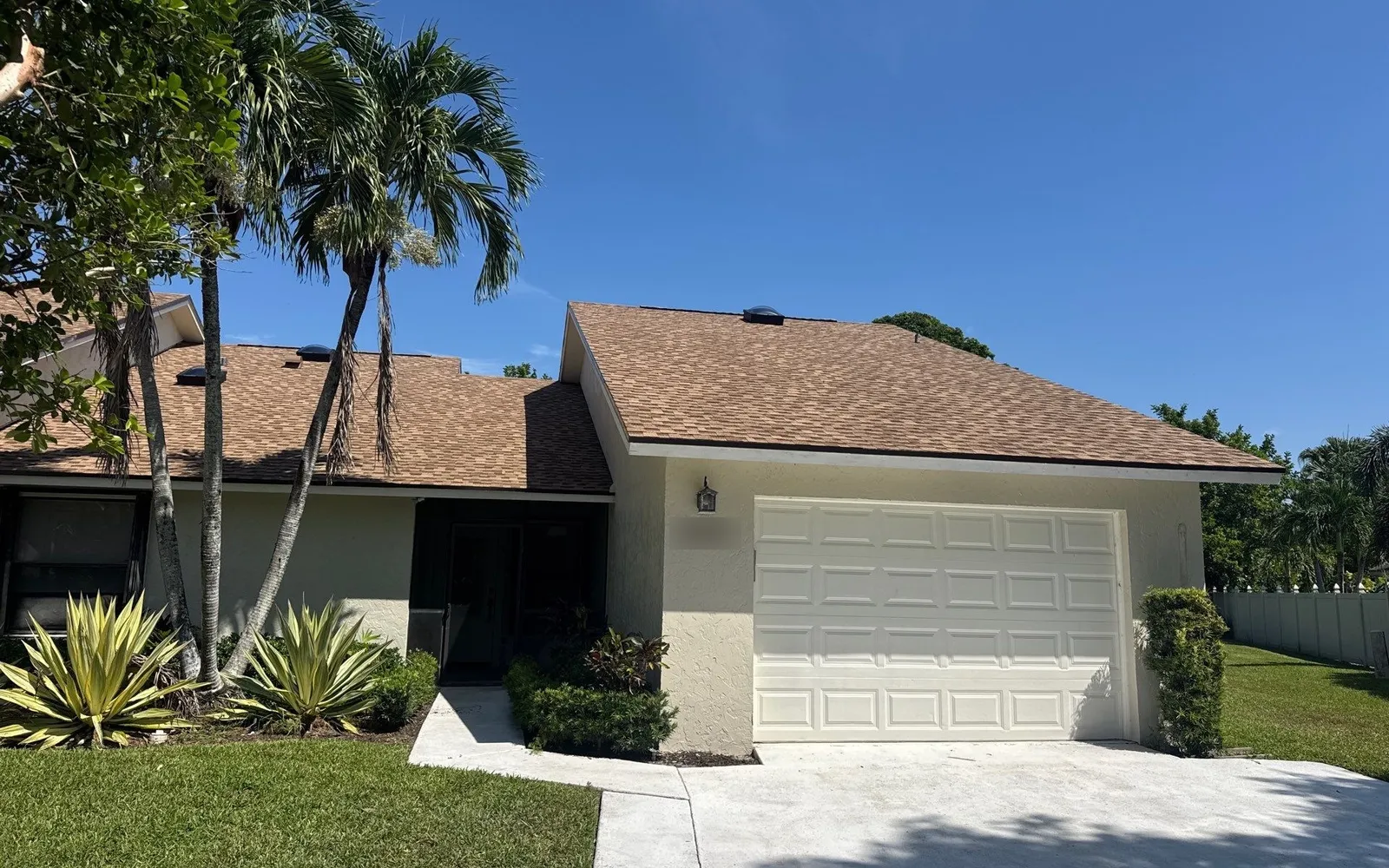
The same slopes, photographed every year, make granule loss a trend you can see rather than a surprise.
Compare the plans