
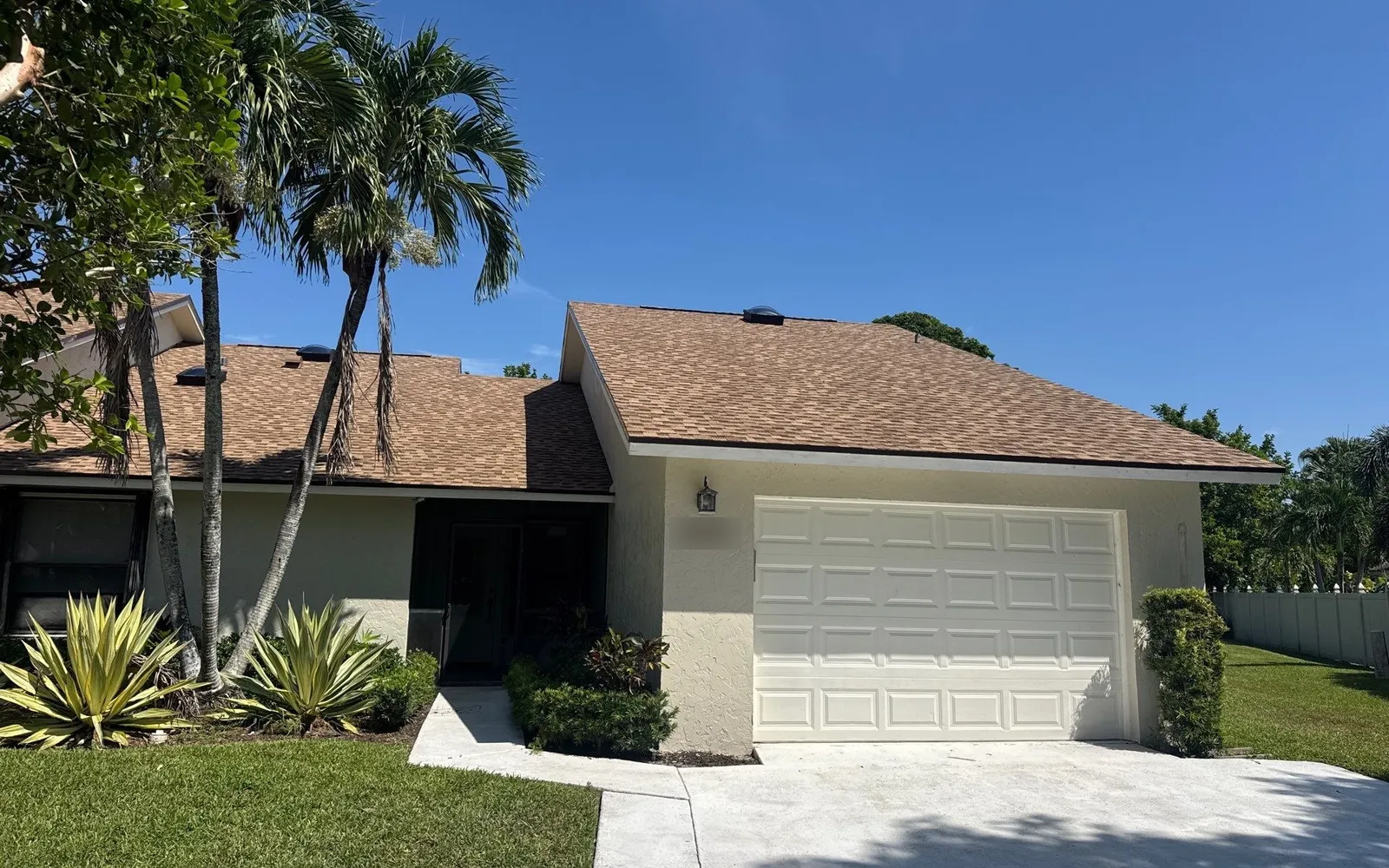
The same roof, three prices
When three contractors quote a re-roof and the numbers are far apart, the temptation is to assume the low one is efficient and the high one is greedy. Sometimes. More often the three proposals are not describing the same job, and the low one has left things out - not always dishonestly, but the effect on you is the same.
Where the number gets made
Underlayment. The single largest quality variable in a tile or shingle roof is what goes on the deck. A self-adhered membrane across the whole deck costs several times what a mechanically fastened synthetic does. If one proposal says "self-adhered underlayment" and another says "underlayment", ask.
Decking. Every re-roof finds some rotten plywood. A proposal should say how it is priced - a number of sheets included, then a per-sheet rate for more, or an allowance. A proposal that is silent on decking is a proposal that will have a change order.
Metals. Drip edge, valley metal, flashings, ridge and hip metal. Gauge, material and whether they are being replaced or reused. "Reuse existing flashings where possible" is a sentence that saves the contractor money and costs you a leak at the wall in year three.
Ventilation. Vents are calculated, and vents cost money. A proposal that does not address ventilation is not doing the arithmetic.
Tear-off and disposal. Full removal to the deck, or a layover? Dumpster and haul-away included? Tile stacking and resetting, or new tile?
Permit and inspections. Included, and by whom? An unpermitted re-roof is cheaper and it is a problem you inherit.
Warranty. Manufacturer material warranty and contractor workmanship warranty are different things. What is the term of each, and what is excluded? A workmanship warranty from a company that has been in business two years is a different asset from one from a company with a long record.
How to compare fairly
Make a grid. Down the side, every item above. Across the top, the three proposals. Fill it in from the documents - not from what the salesperson said. Where a proposal is silent, write "not stated" and ask. When the grid is complete, the prices usually explain themselves.
When the low quote is fine
Sometimes it is. A contractor with lower overhead, a crew that is between big jobs, a supplier relationship - legitimate reasons exist. The way to know is that the low proposal passes the grid: same underlayment, same metals, decking addressed, permit included, licence and insurance verified. If it does, take it. If it does not, you have found where the money went.
Roof Sentry members get a report they can hand to any contractor - so every proposal is quoting the same roof.
Compare the plans